The Overlooked Influence of Gymnastics Routines on Goaltending Techniques in Professional Hockey Leagues
Carlo Powell · Oct 20, 2026
The Overlooked Influence of Gymnastics Routines on Goaltending Techniques in Professional Hockey Leagues
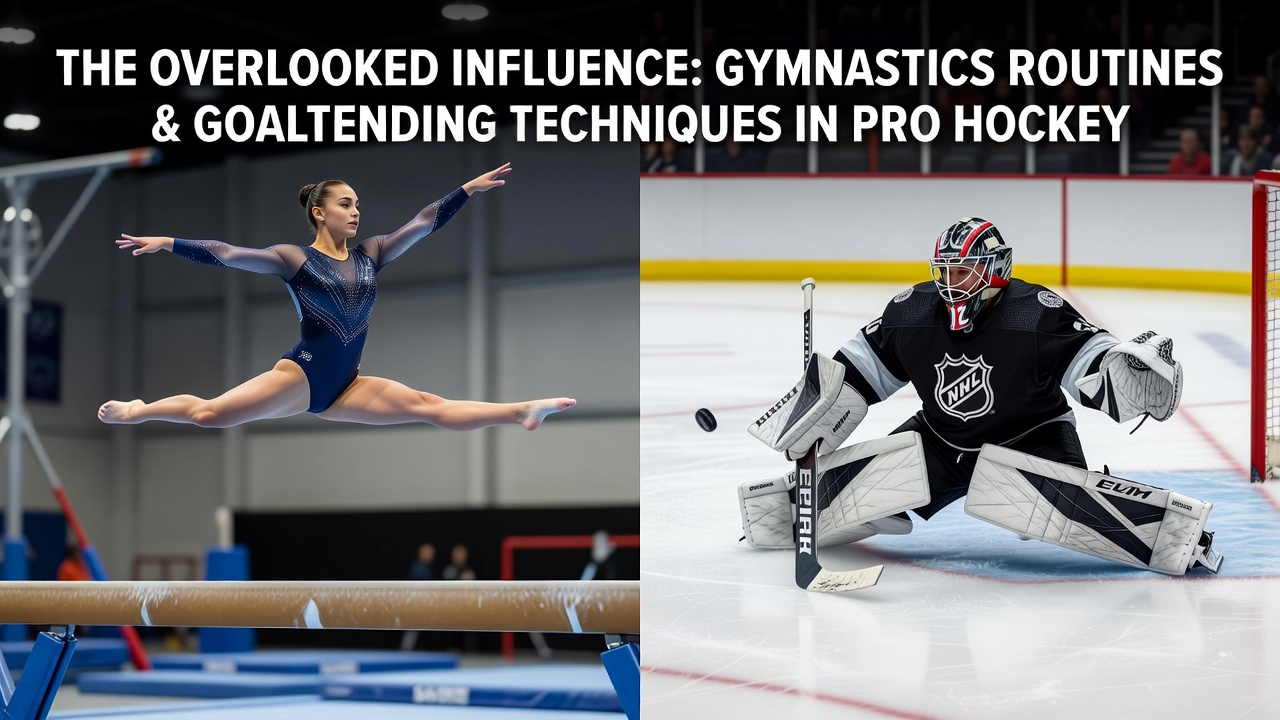
Professional hockey goaltenders have long drawn from gymnastics for specific physical attributes that support their demanding positional requirements, and this connection has gained more attention in training programs across the NHL and other leagues. Gymnastics emphasizes controlled body positioning, explosive movements, and sustained flexibility that align closely with the lateral pushes, butterfly drops, and recovery slides required in modern netminding. Data compiled by league performance staffs shows that goaltenders who incorporate elements of gymnastics warm-ups and drills demonstrate measurable improvements in recovery time between saves during high-volume periods.
Core Gymnastics Elements in Goaltender Development
Balance beam routines develop the edge control and micro-adjustments that goaltenders need when shifting weight across their skates without losing posture, while floor exercise tumbling patterns translate directly to the quick directional changes seen in crease movement. Researchers at the Canadian Sport Institute have tracked how handstand holds improve shoulder stability during stickhandling sequences under pressure, and these findings appear in training manuals used by multiple NHL clubs. Ring work and parallel bar exercises build the upper body tension that supports the upper body positioning required when goalies absorb shots from close range.
October 2026 training camps featured expanded sessions where gymnastics coaches worked alongside skating instructors to refine these transfers, with several teams reporting faster adaptation among younger goalies entering professional ranks. The emphasis remains on measurable outcomes rather than stylistic imitation, as performance metrics from wearable sensors confirm reduced energy expenditure during extended periods on the ice.
Historical Patterns and Technique Evolution
Goaltending styles shifted notably after the introduction of the butterfly technique in the late 20th century, and this change created new demands for hip mobility and core strength that gymnastics programs already addressed systematically. European clubs began integrating gymnastics specialists earlier than North American teams, according to records from the International Ice Hockey Federation, yet the practice has since spread through shared coaching networks and performance analysis platforms. Observers note that goalies who maintain consistent gymnastics-derived flexibility routines sustain longer careers with fewer lower-body soft tissue issues compared to peers who rely solely on traditional hockey conditioning.
Training Integration Across Leagues
Current protocols in teh NHL combine modified gymnastics circuits with on-ice movement patterns, often starting with low-impact drills that progress to full-speed simulations. Teams in the Western Conference have documented how incorporating vault-style explosive entries improves lateral quickness during breakaway situations, while Eastern Conference programs have focused more on dismount-style landings that mimic post-save recoveries. These adaptations appear in scouting reports and development plans shared through league-wide analytics groups, and they continue to evolve as sensor data accumulates across multiple seasons.
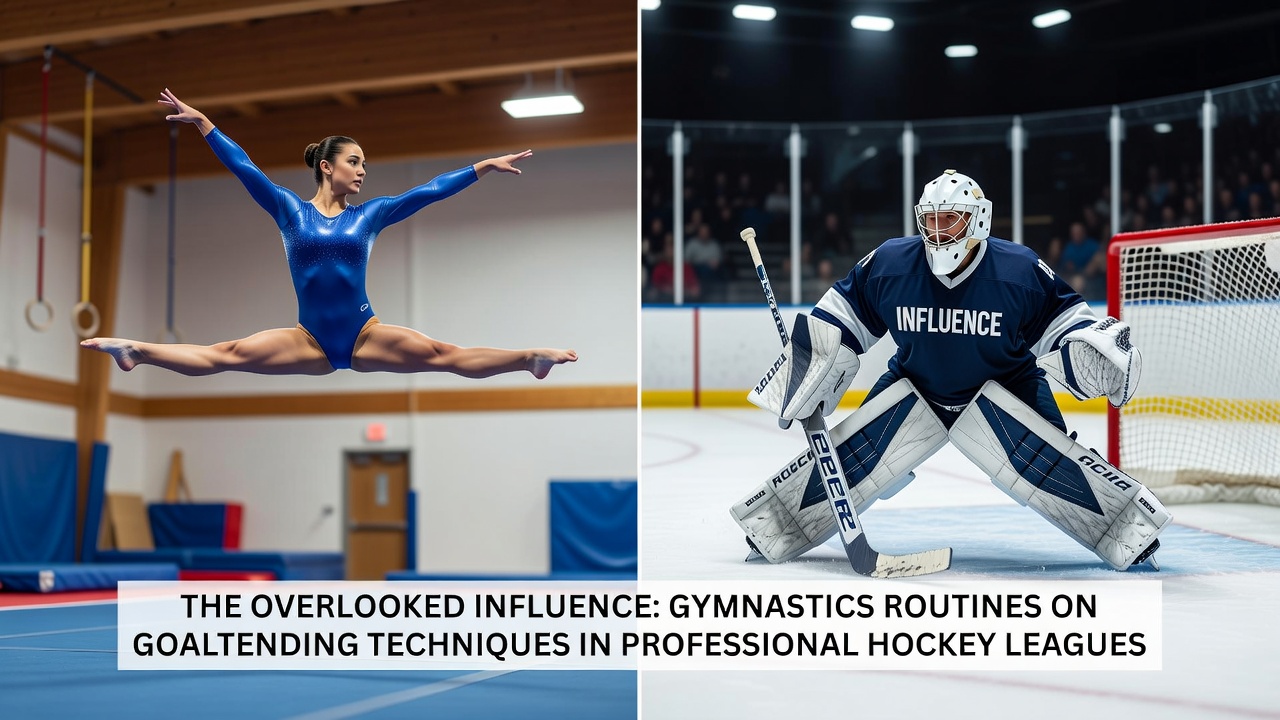
Minor league affiliates have adopted similar frameworks to prepare prospects for the increased pace at higher levels, and this pipeline approach ensures that incoming goalies already possess baseline mobility standards before their first professional contract. European leagues maintain their own variations, often drawing from national gymnastics federations that coordinate directly with hockey federations in countries such as Sweden and Finland.
Performance Data and Measurable Outcomes
Studies conducted through university partnerships in Canada and the United States indicate that goalies completing weekly gymnastics modules show statistically significant gains in hip rotation range and reactive agility scores. These improvements correlate with higher save percentages in high-danger areas, according to publicly available play-by-play data aggregated by independent analytics organizations. The patterns hold across different body types and age groups, suggesting the benefits stem from the movement quality rather than individual athletic profiles alone.
Coaching staffs now review video overlays that compare gymnastic floor routines with on-ice save sequences, allowing precise identification of transferable mechanics. This analytical approach has replaced earlier anecdotal observations and supports more consistent implementation across organizations.
Future Directions in Cross-Training
League-wide initiatives scheduled for the 2026-2027 season include expanded collaboration between gymnastics and hockey performance specialists, with emphasis on standardized assessment tools that quantify flexibility and balance contributions. Continued data collection from multiple professional leagues will clarify which specific gymnastics elements yield the strongest return for goaltending demands, and this ongoing research supports individualized program adjustments rather than uniform templates. The integration remains grounded in observable physical outcomes and continues to refine as equipment and playing styles evolve.
Conclusion
The documented influence of gymnastics routines on goaltending techniques rests on measurable physical transfers and structured training programs now embedded in professional hockey development pathways. Performance records and cross-sport research confirm that these connections produce tangible benefits in mobility, recovery, and positional stability without requiring stylistic overhaul. As data collection expands through the 2026 season and beyond, organizations maintain focus on evidence-based refinements that align gymnastics-derived attributes with the specific requirements of elite netminding across North American and European leagues.